Čeština
  Deutsch
  Polski
Tiyo expands its services with a metallographic laboratory
Having its own laboratory facilities will allow the company to respond flexibly to customer requests. The tests focus on smaller electronic components.

One of the three Czech companies that sent a representative on the Czech Battery Cluster’s (ČBK) inspirational mission to Hungary in May was Tiyo, based in Hořice. Over the course of four days, Jaromír Kejval met with representatives of the Hungarian Battery Association, the public sector, universities, and major companies. “Alongside Germany and Poland, Hungary is the largest European player in the battery business,” he notes.
Recently, Chinese and South Korean companies have made significant investments in the country. “Competition there is fierce; China and Korea are vying for dominance. This could be beneficial for Europe, as the price of battery cells and energy storage should go down, but at the same time, it increases dependence on these countries,” says Jaromír Kejval.
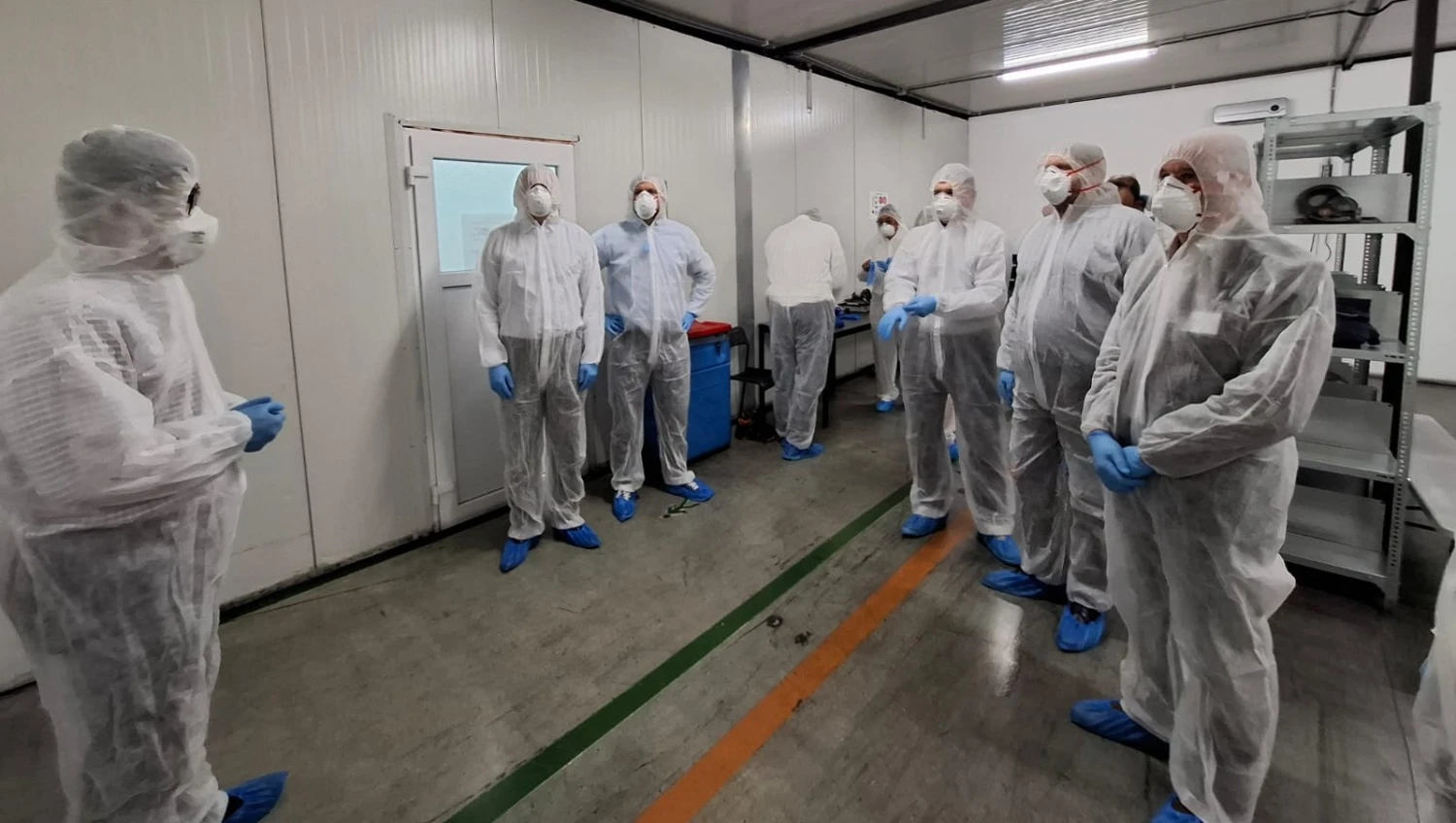
After visiting the Czech Embassy and a university in Budapest, the Czech delegation traveled to the city of Bátonyterenye, where the Korean company SungEel HiTech has built a battery recycling plant. Precious metals are extracted from them through leaching in liquids (hydrometallurgy) or smelting at high temperatures (pyrometallurgy). This is preceded by mechanical crushing of the batteries, resulting in a black mass containing the scarce metals lithium, cobalt, nickel, and graphite.
“Most recycling companies in Europe focus solely on the mechanical processing of batteries and ship the crushed mixture to Chinese or Korean factories, which handle the chemical recycling. SungEel HiTech in Hungary also primarily processes production waste from manufacturing plants by crushing it into black mass. Their headquarters in South Korea then performs hydrometallurgical processing. The European branches thus provide them with a source of material for recycling,” explains Kejval.
European recycling plants are currently struggling with a shortage of raw materials; they operate mainly thanks to production waste from factories focused on the mass production of battery cells. Unlike the Czech Republic, such plants already exist in Hungary, which benefits from the presence of SungEel HiTech’s gigafactories.
According to Jaromír Kejval, this is a major opportunity for Europe to reduce its dependence on imports of precious metals. “All batteries eventually reach the end of their life cycle. Recycling regulations call for a recovery rate of 90 percent for cobalt, nickel, and copper, and at least 50 percent for lithium, starting in 2028. Once a significant volume of end-of-life batteries has accumulated and a recycling industry is up and running in Europe, there is a good chance that we will eventually achieve at least partial raw material independence.” He sees the problem in the fact that recycling is currently more expensive than purchasing virgin materials.

Alongside Győr, the Debrecen area is a major hub of the Hungarian battery industry. The ČBK delegation visited one of Europe’s largest battery production plants, built by the Chinese firm CATL for more than seven billion euros. “It’s incredible that they obtained permits and managed to build the factory within four years. They manufacture battery modules and already have a production line for cells ready. A massive production capacity is emerging there; in the first phase, it is set to start with a capacity of 40 GWh per year, and the target is planned at 100 GWh per year,” notes Jaromír Kejval.
A strong supplier base of predominantly Chinese suppliers of materials for cell production is also emerging near the CATL production plant, such as EcoPro BM (a manufacturer of cathode material), which the delegation also visited.
In addition to its traditional car manufacturing plant, BMW also operates a high-voltage battery assembly plant in Debrecen. Massive investments by European and Asian companies have created thousands of jobs and have become a driving force for the development of the entire region.
“There are three major car manufacturers in the Czech Republic, so naturally we have a need for batteries as well. Hungary is showing us the path we should take. Establishing a battery production plant would significantly reduce the need for complex logistics routes and the transport of large volumes of material,” says Jaromír Kejval.
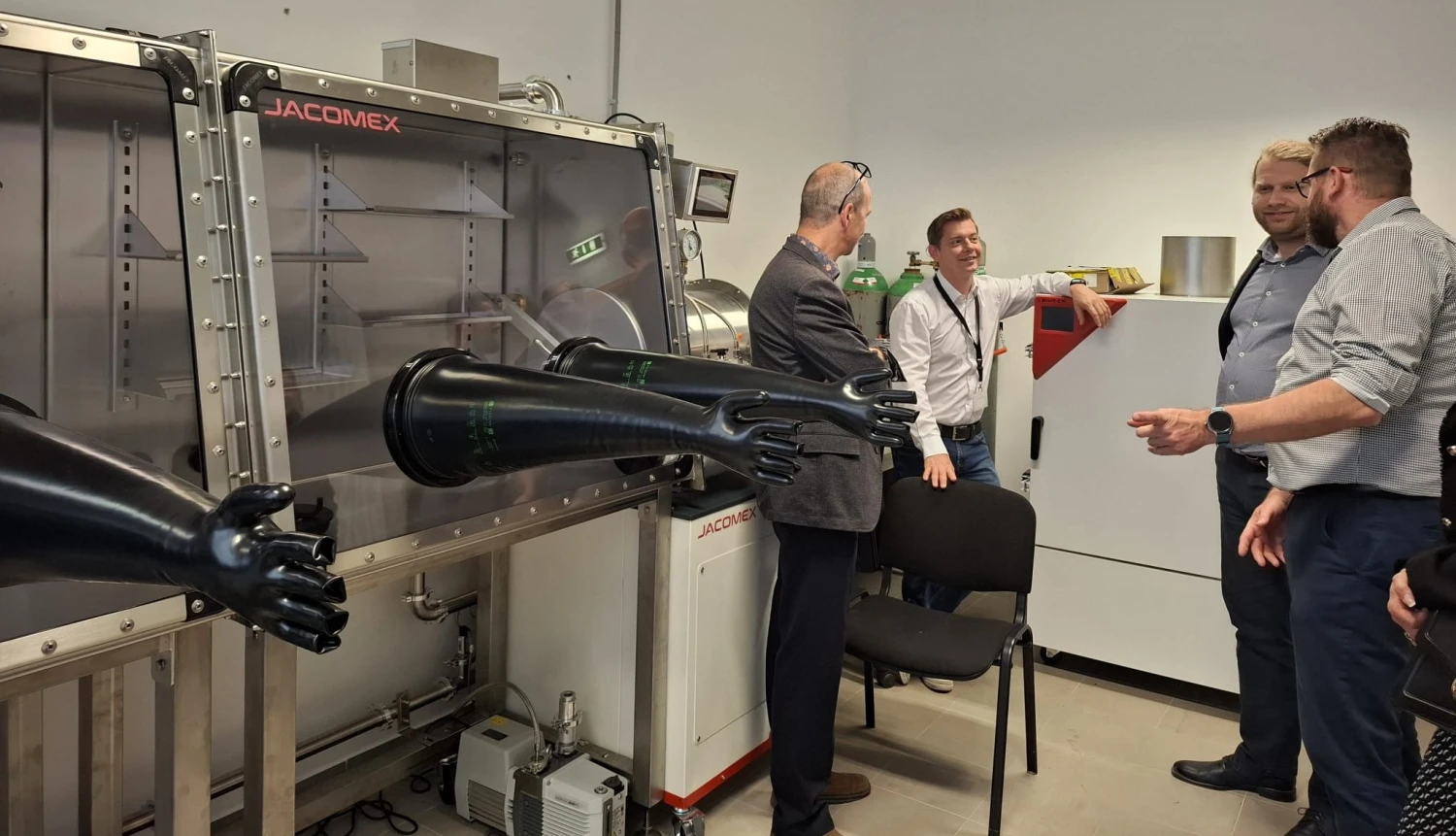
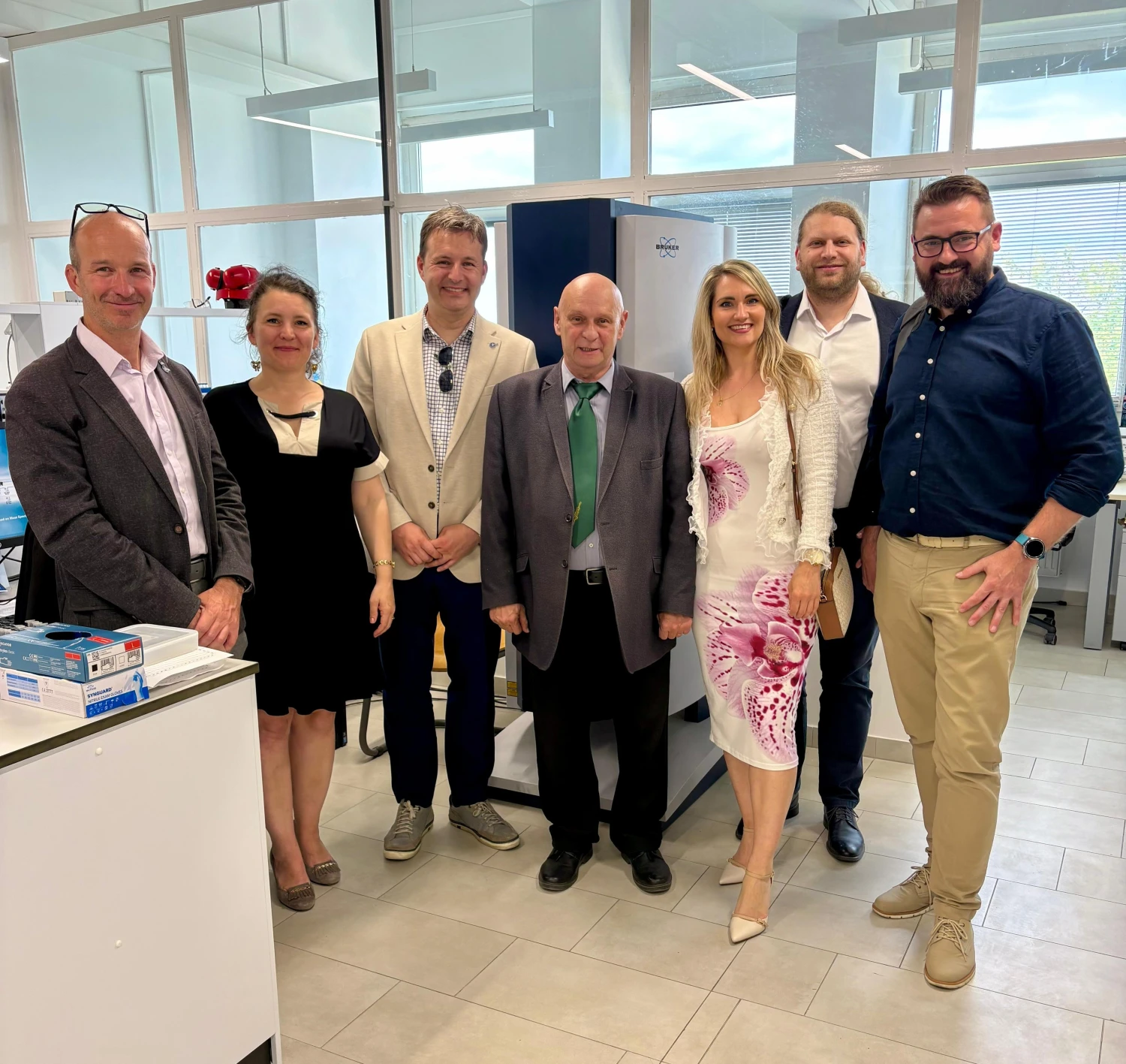
Participants in the ČBK mission in Debrecen also visited the local university, the HUN-REN research center laboratory, and met with representatives of the Chamber of Commerce and Industry of Hajdú-Bihar County. The delegation to Hungary received financial and administrative support from the Ministry of Foreign Affairs and the Ministry of Industry as part of the PROPED economic diplomacy initiative.
Alongside Győr, the Debrecen area is a major hub of the Hungarian battery industry. The ČBK delegation visited one of Europe’s largest battery production plants, built by the Chinese firm CATL at a cost of over seven billion euros. “It’s incredible that they obtained the necessary permits and managed to build the factory within four years. They manufacture battery modules and already have a production line for cells ready. A huge production capacity is being established there; in the first phase, it is set to start with a capacity of 40 GWh per year, and the target is planned at 100 GWh per year,” notes Jaromír Kejval.
A strong supply base of mainly Chinese suppliers of materials for cell production is also emerging near the CATL production plant, such as EcoPro BM (a manufacturer of cathode material), which the delegation also visited.
In addition to a conventional car manufacturing plant, BMW also has a high-voltage battery assembly plant in Debrecen. Massive investments by European and Asian companies have created thousands of jobs and have become a driving force for the development of the entire region.
“There are three major car manufacturers in the Czech Republic, so naturally we have a need for batteries too. Hungary is showing us the path we should take. The establishment of a battery production plant would significantly reduce the need for complex logistics routes and the transport of large volumes of material,” believes Jaromír Kejval.
Participants in the ČBK mission in Debrecen also visited the local university, the HUN-REN research centre laboratory, and met with representatives of the Hajdú-Bihar County Chamber of Commerce and Industry. The delegation to Hungary received financial and administrative support from the Ministry of Foreign Affairs and the Ministry of Industry as part of the PROPED economic diplomacy initiative.